






Aké
Archeological site
Aké
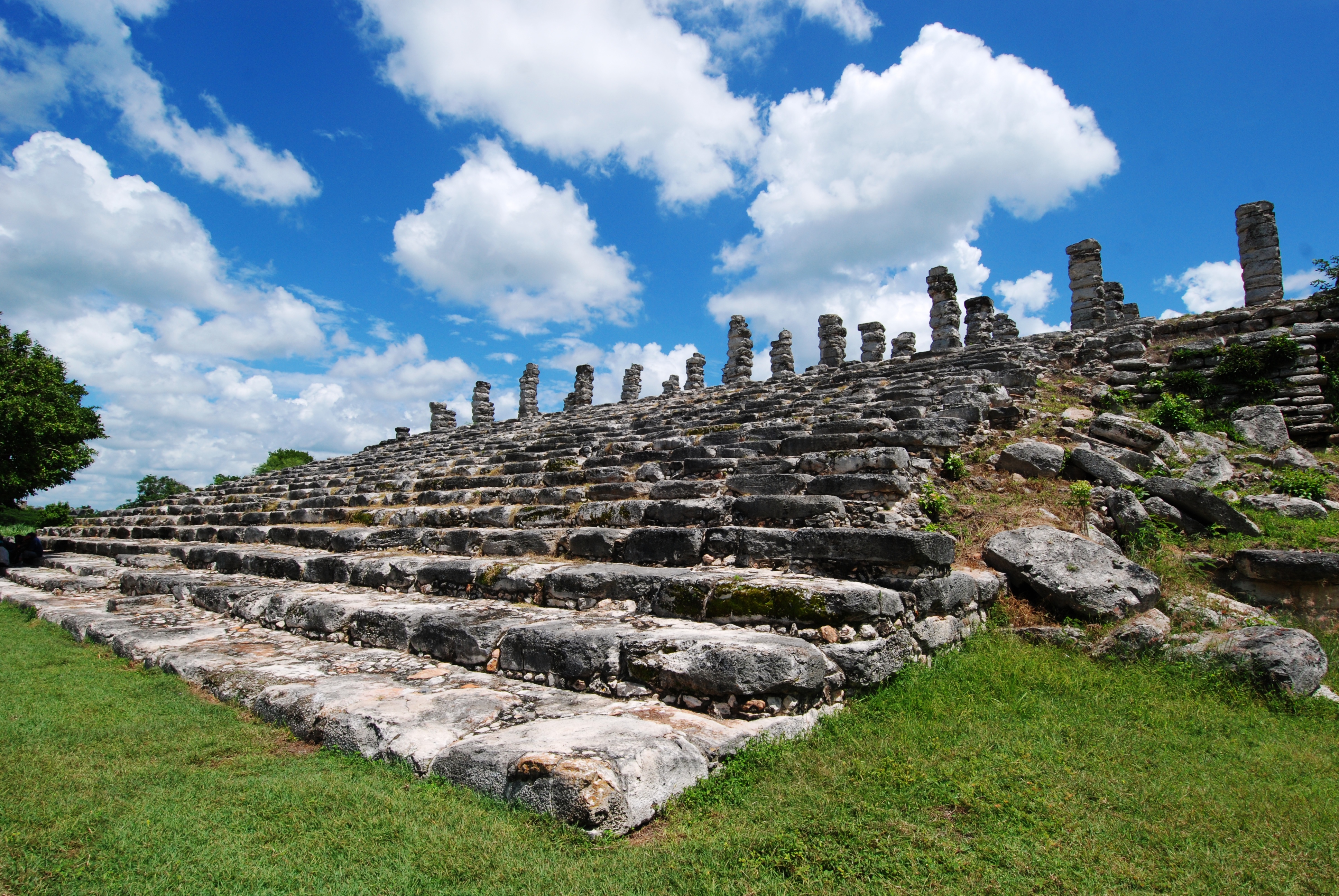
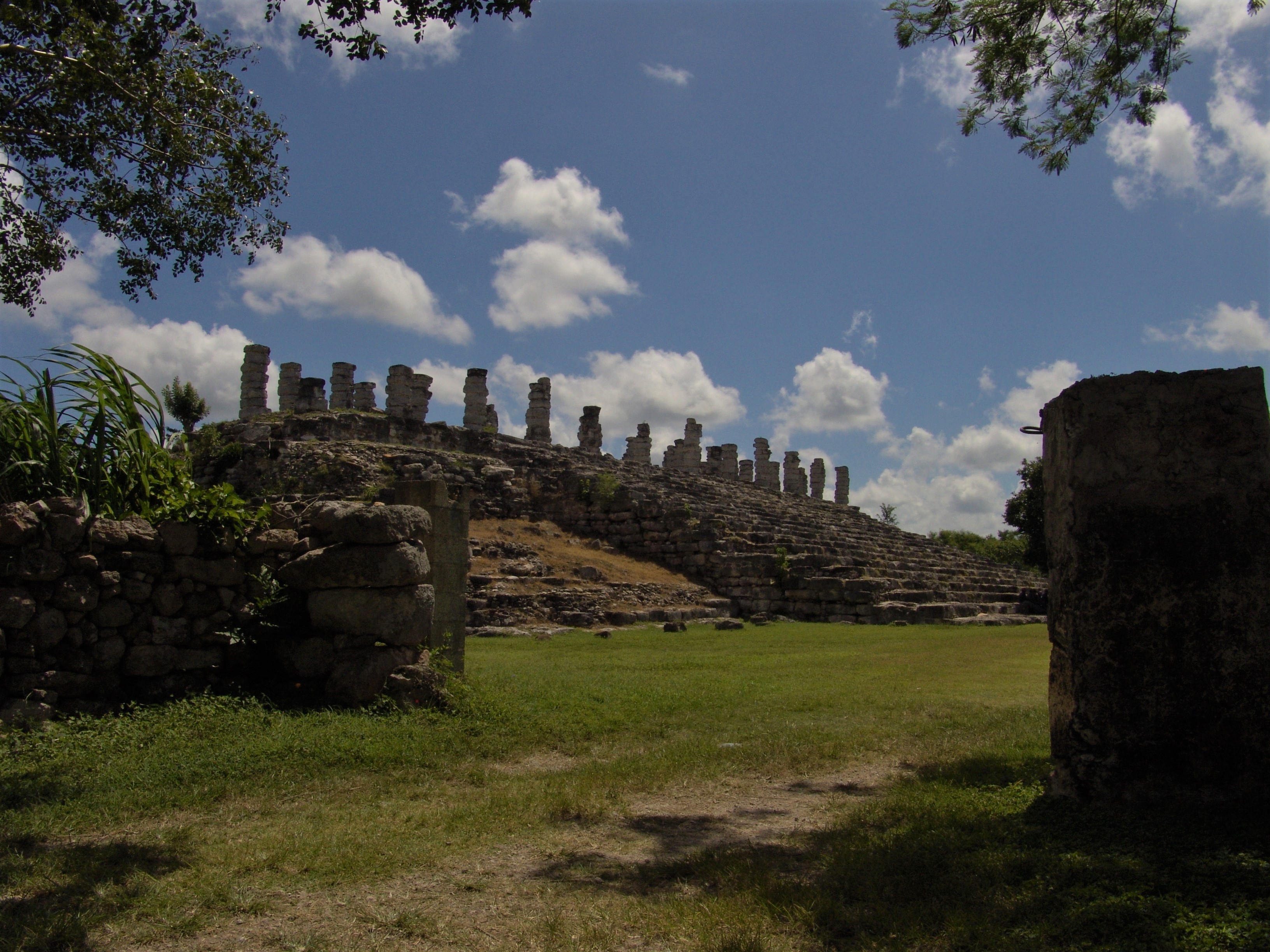
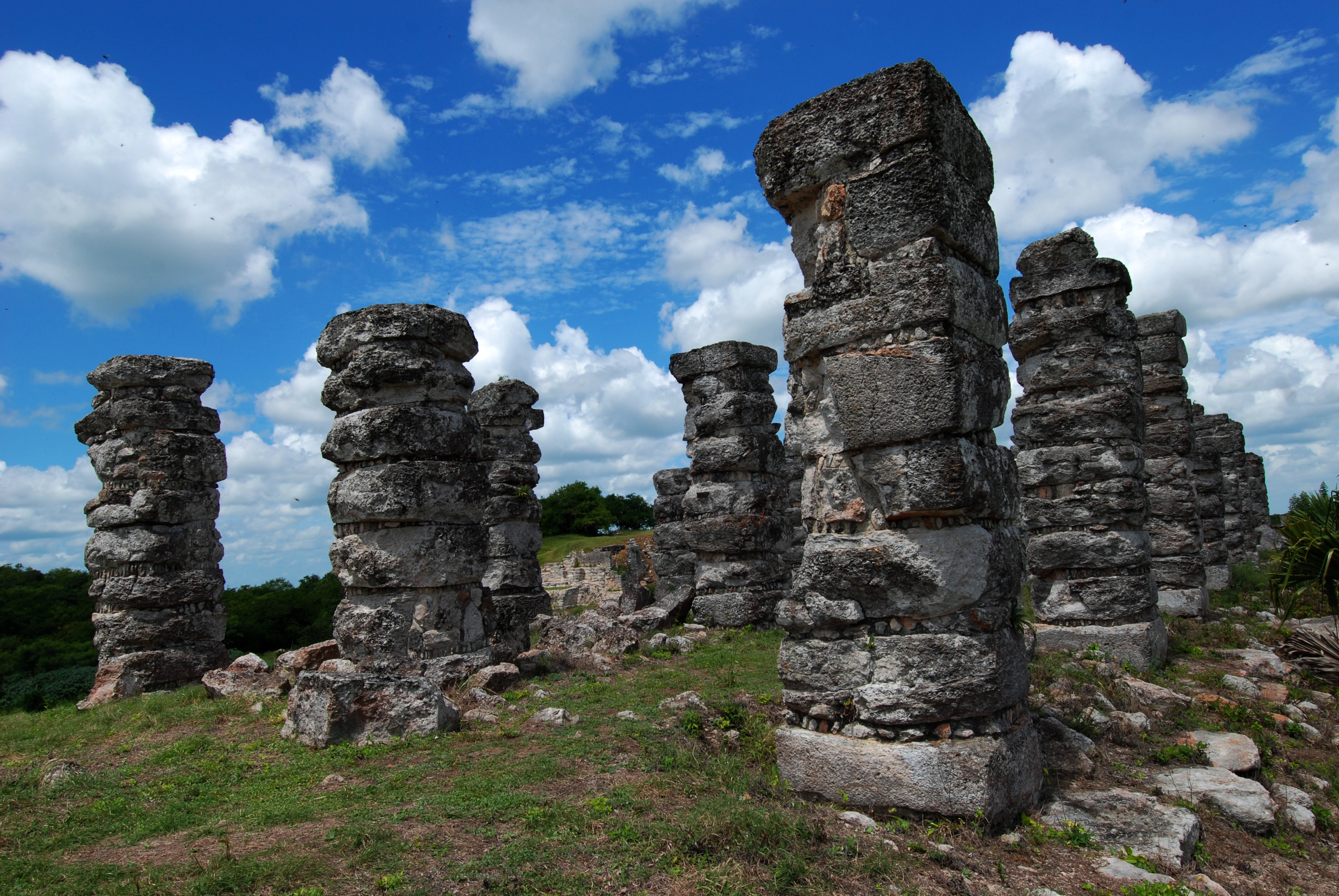
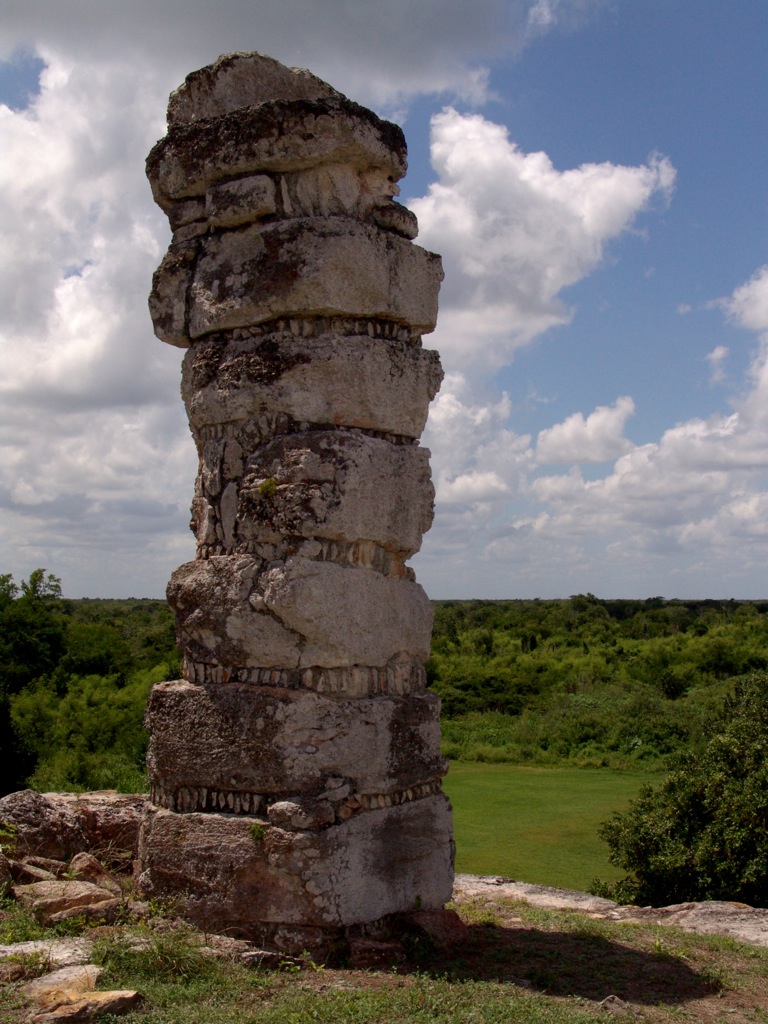
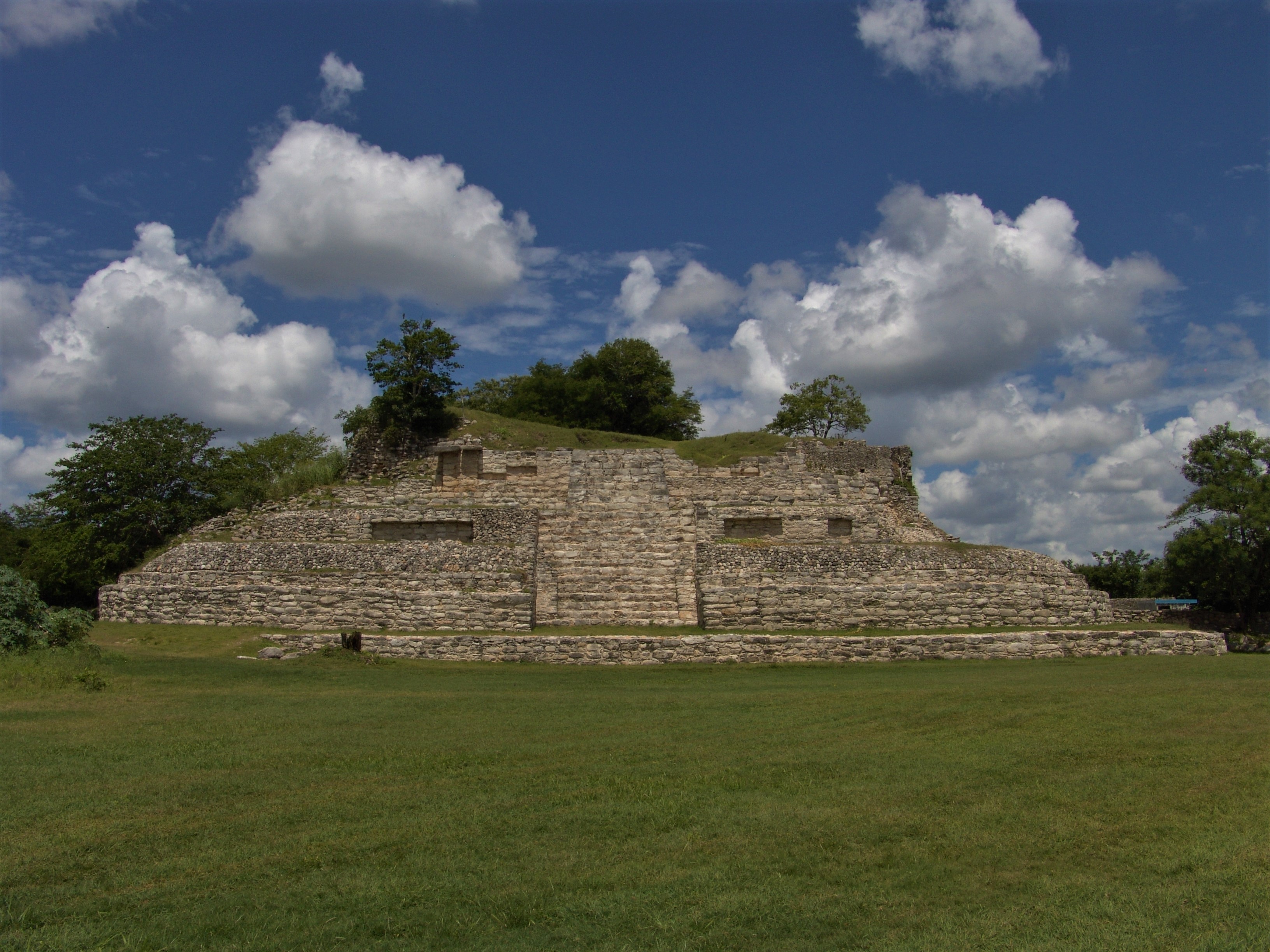
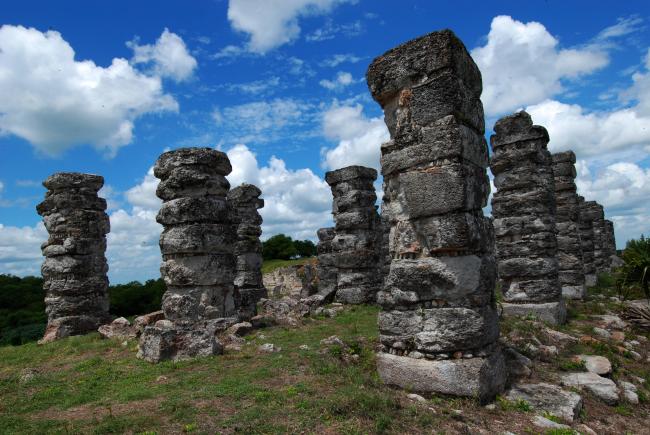
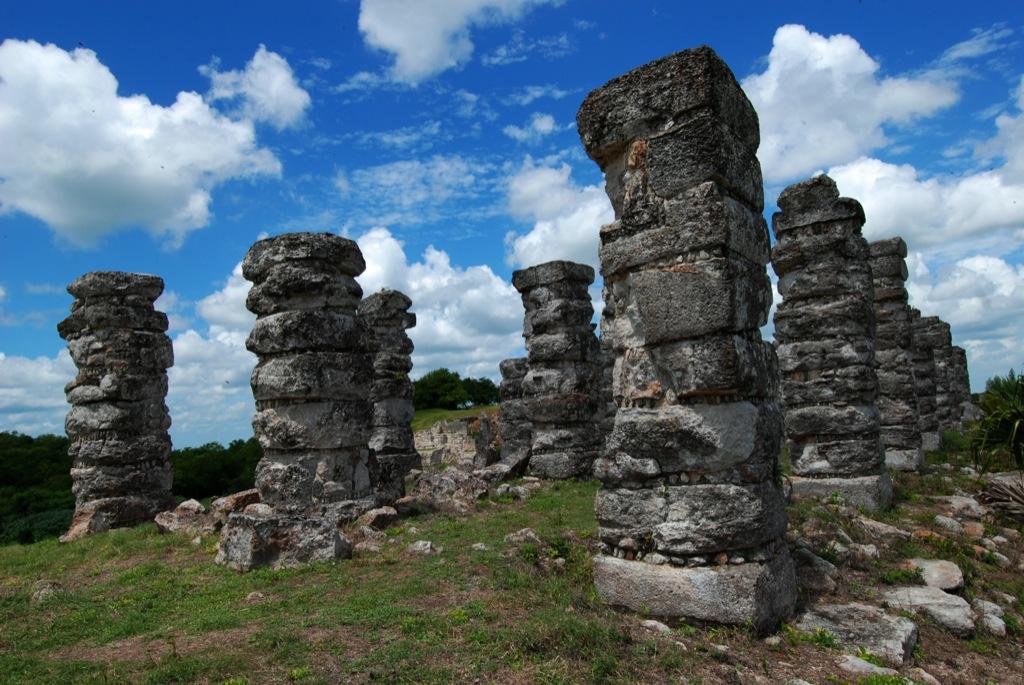
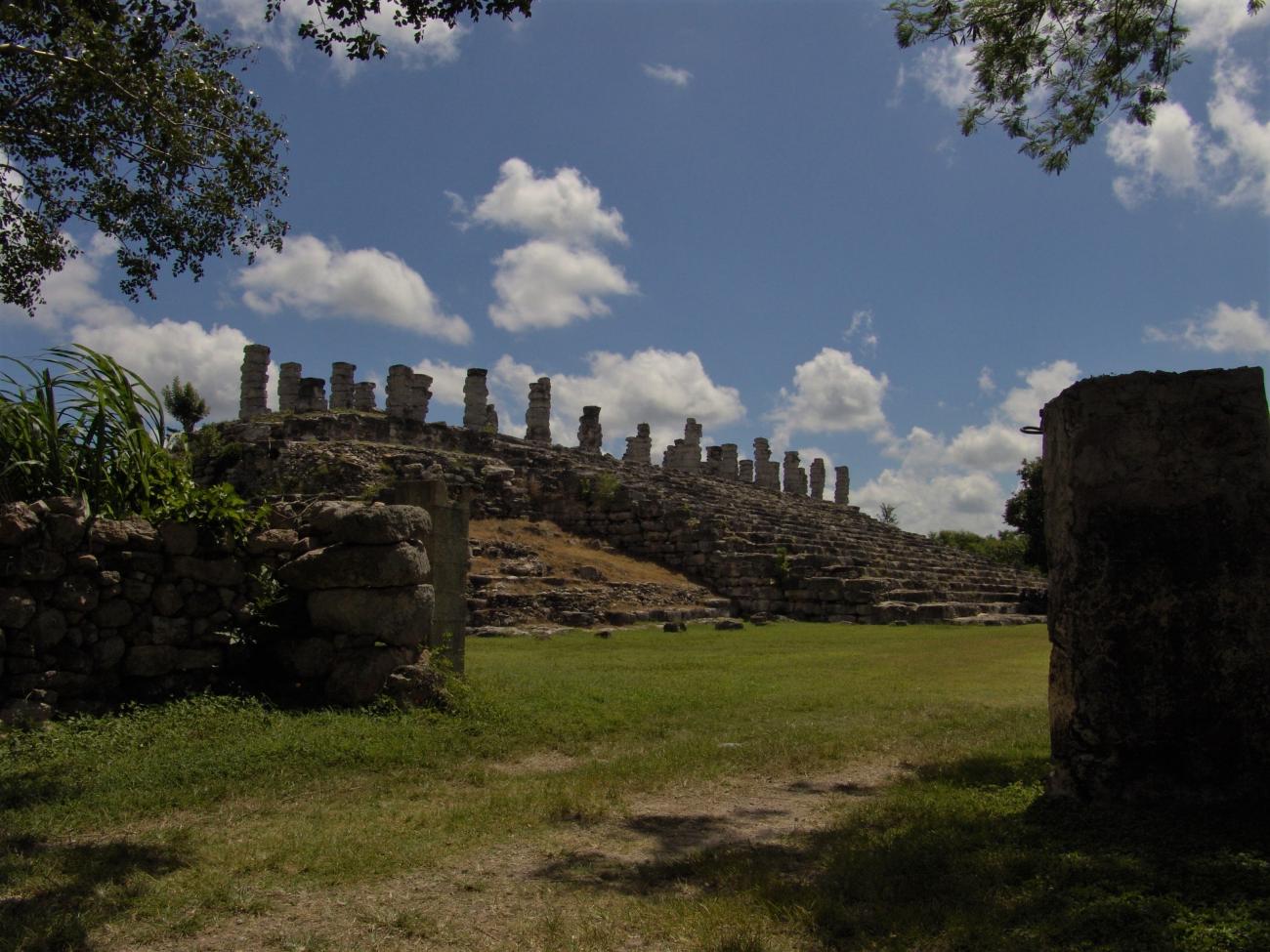
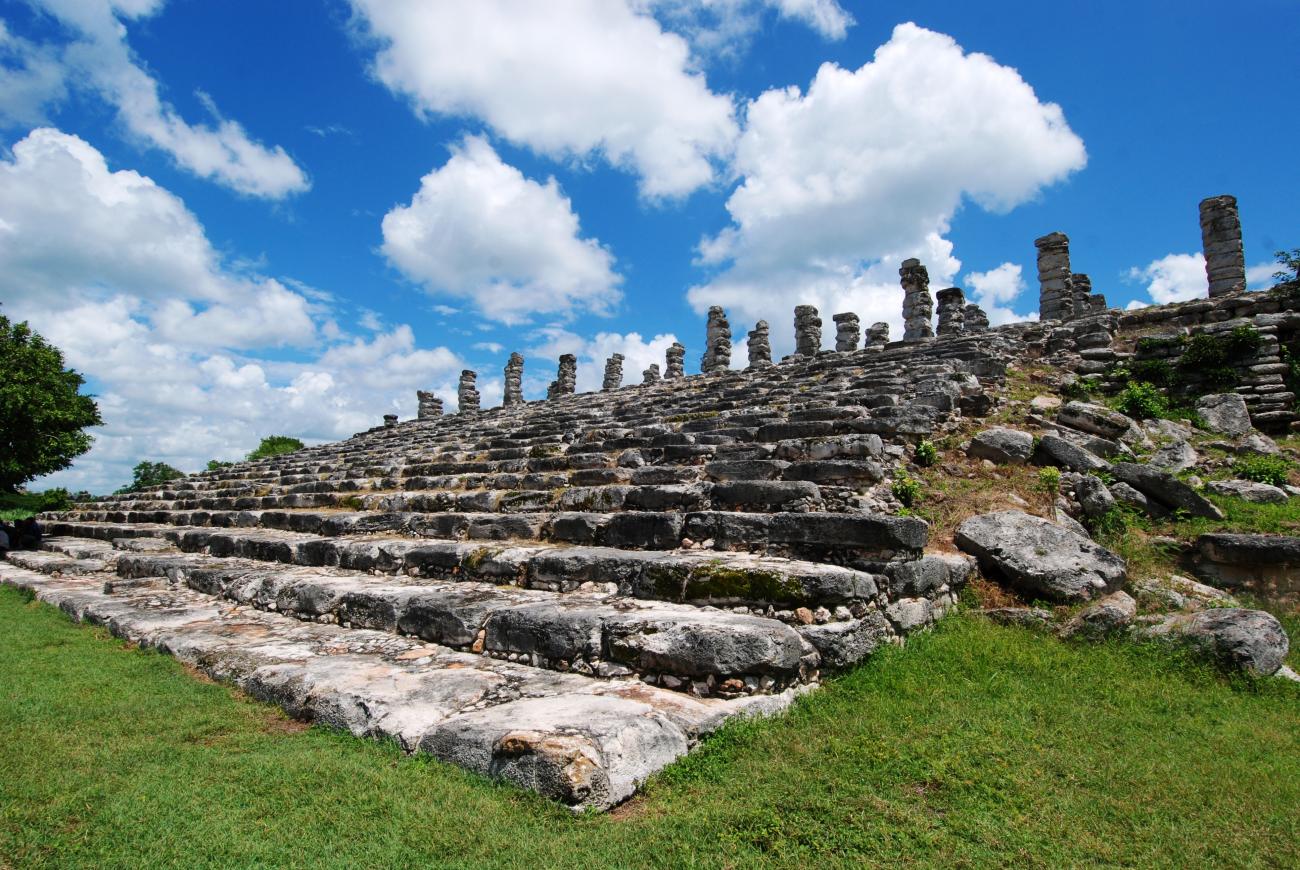
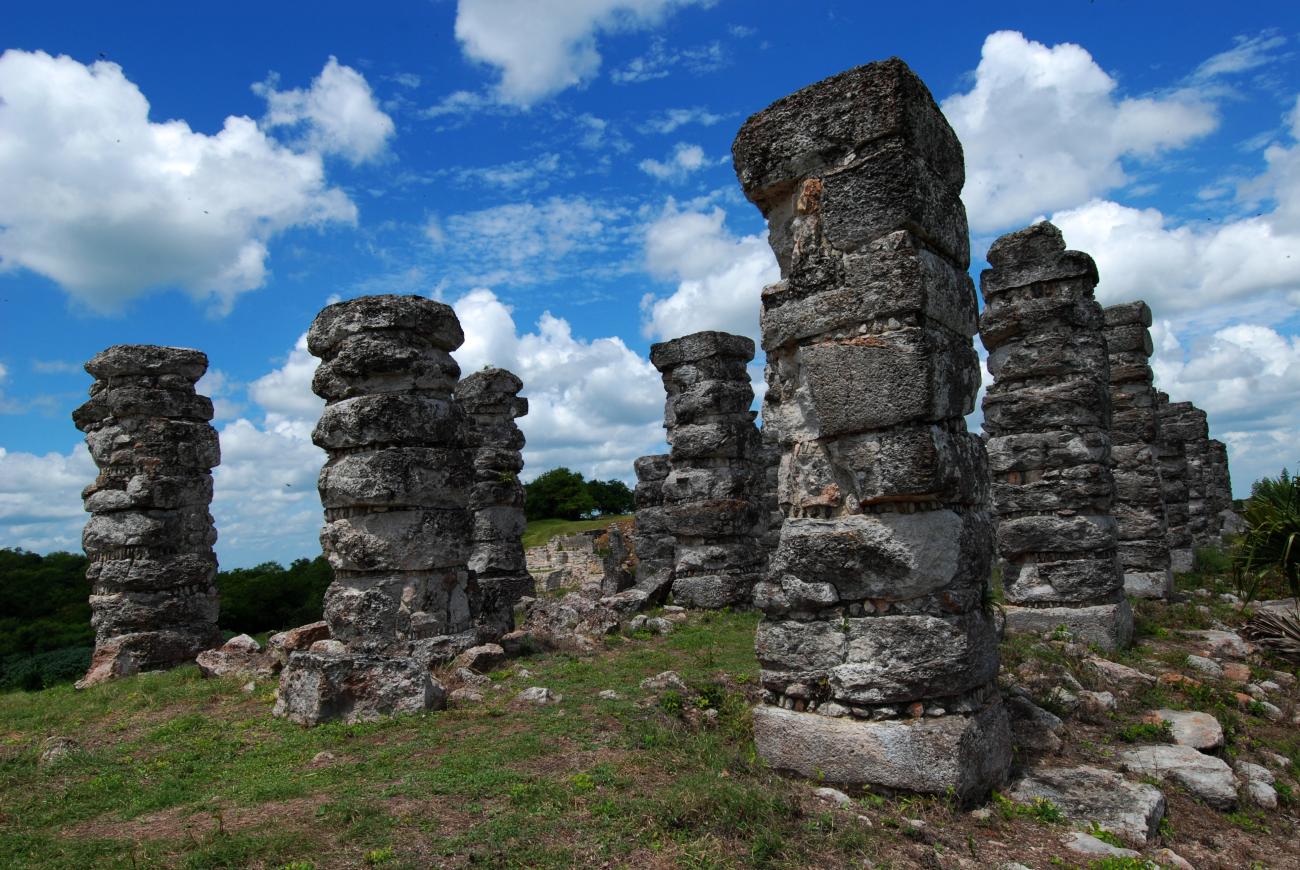
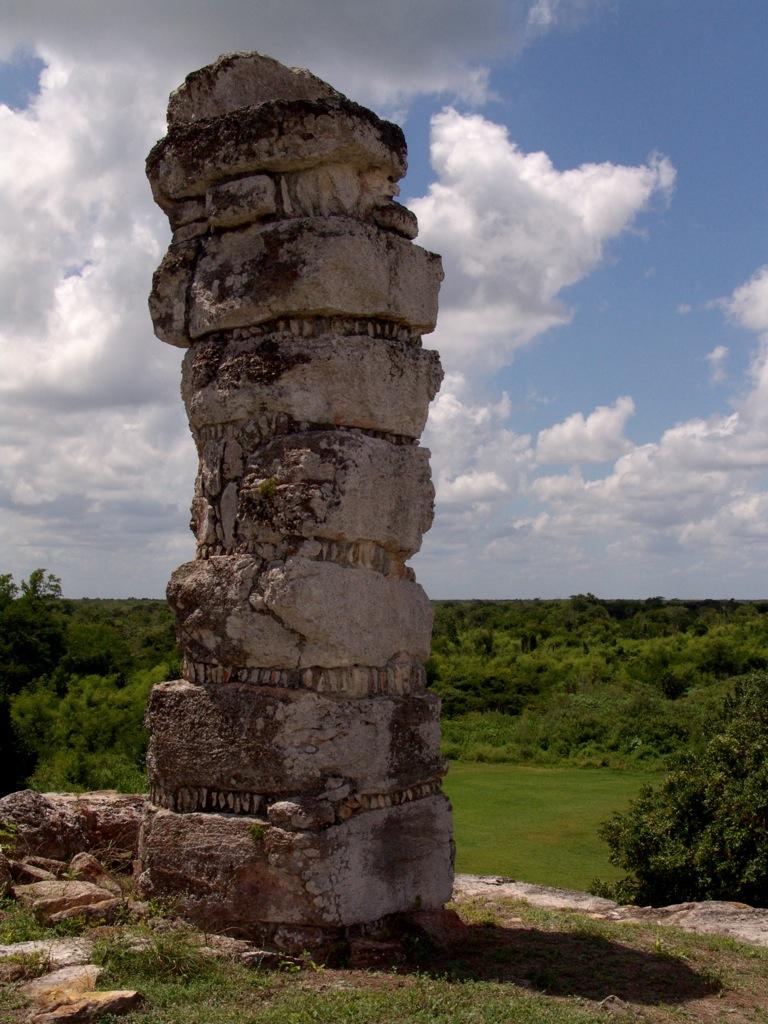
Remarkable for its system of roads called sacbeoob in Maya (plural of sacbe), the site is surrounded by concentric walls, and The Pilasters building is unusual because of the 36 square-based columns on top.
The Ake archeological site is in the municipality of Tixkokob in the state of Yucatan, roughly 20 miles to the west of the city of Merida. Part of the archeological site is inside the former hacienda of San Lorenzo Ake.
Ake has two separate sections delimited by walls. The first wall surrounds the central part which has the monumental structures, while the second must have contained a large proportion of the site’s residential buildings.
The center of the settlement consists of a rectangular plaza with Structure 1, or The Pilasters, on the north side, Structures 13 and 9 to the east, Structure 7 to the south and Structures 6 and 2 on the west side. All of these structures have large dimensions. The central plaza covers an area of approximately 6 acres. The residential area covers an area of approximately 1.5 square miles.
Only one system for the capture and storage of water (chultun) has been found for the whole archeological site. This is located on the upper part of Structure 2. There is a system of pre-Hispanic roads or sacbeoob, which comprise four avenues leading to structures within the site, while the external sacbe connecting with Izamal is 20 miles long.
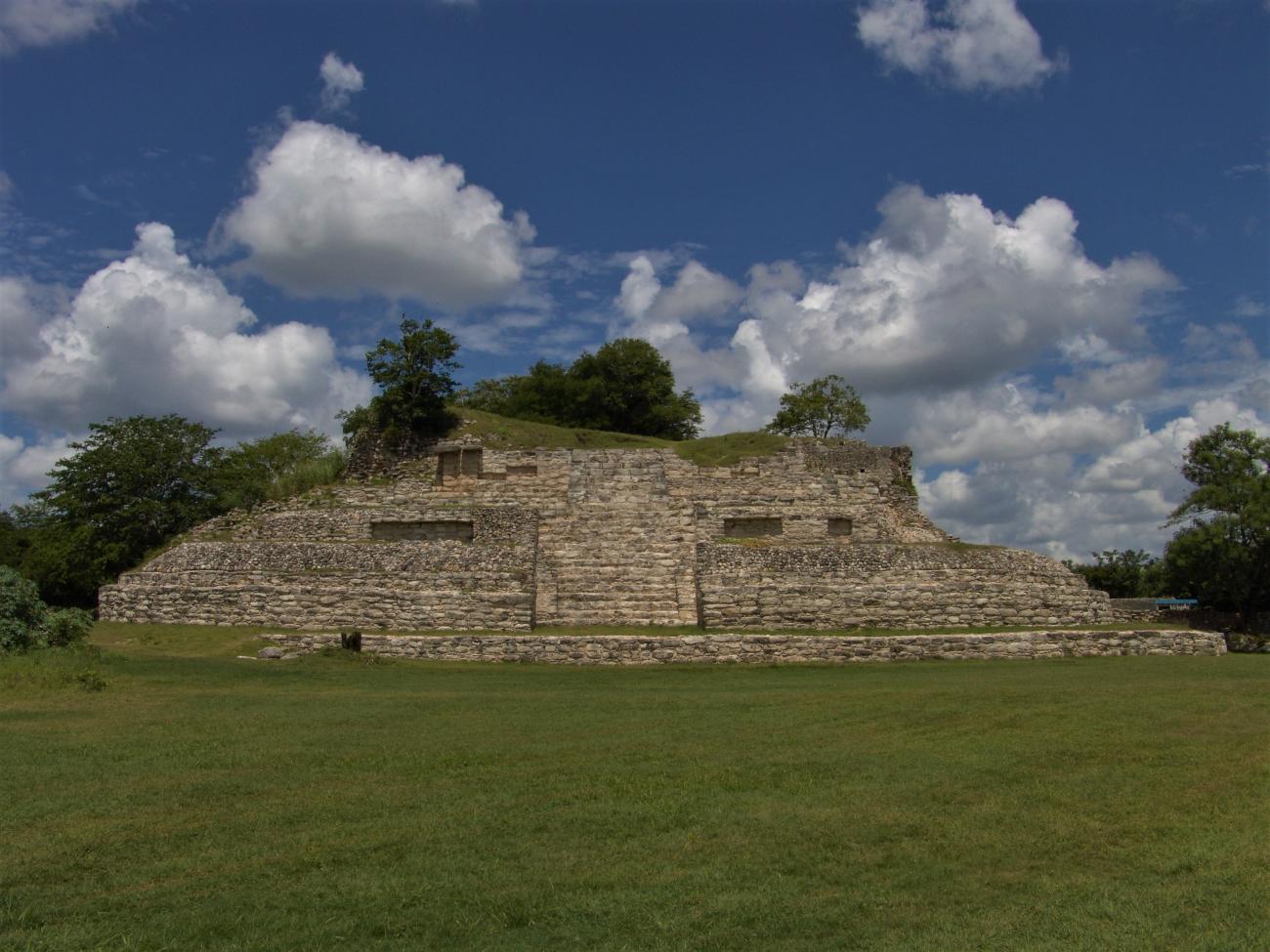
The architectural traits which typify Ake can be seen in both the structures bounding the central plaza and in the residential area. These employ building techniques characterized principally by the use of large blocks of roughly worked stone covered by a thick layer of stucco, rounded building corners, stairways with low angles of ascent, panels which are recessed into the walls of buildings, monolithic cornices and inverted step-type vaults over rooms.
A preliminary analysis of the ceramic material recovered during surveys and excavations of the structures indicate that the site was occupied from the Late Preclassic to the Postclassic. The settlement of Ake reached a high level of urban development early on, and for this reason the inhabitants maintained both economic and political treaties with sites such as Izamal.
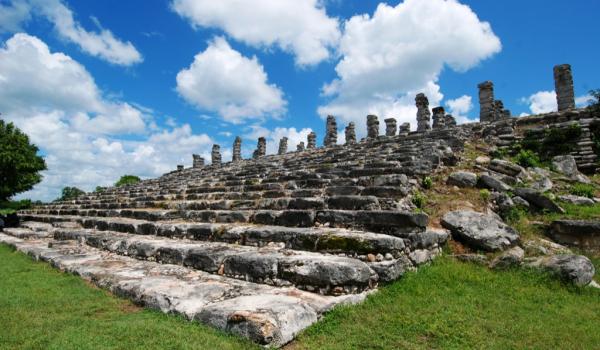
Edificio 1
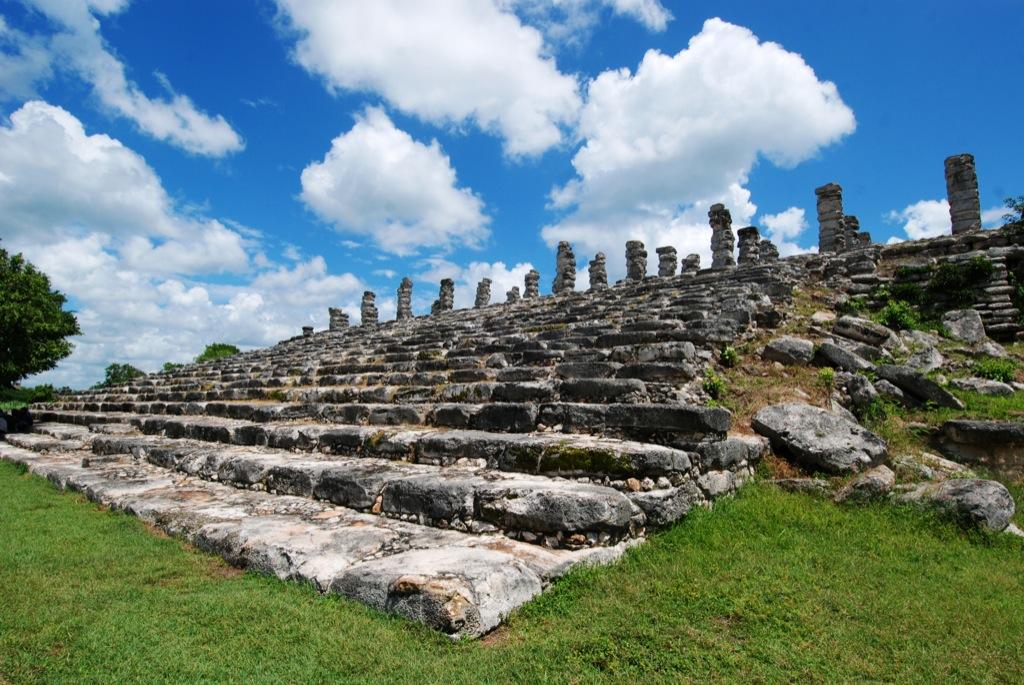
Building 1 is also known as the pilaster building. It has a staircase of monumental appearance made of large limestone blocks. On the upper platform of this architectural unit, about 67 m long and 14.20 m wide, there are three rows of 12 large pilasters.


Contact
- Dirección del Centro INAHVictor Arturo Martínez Rojasvictor_amartinez@inah.gob.mx+52 (999) 913 4034AdministraciónFelipe de Jesús Flores Lagunafelipe_flores@inah.gob.mx+52 (999) 913 4034, ext.398006
